
Views: 1 Author: taoyan Publish Time: 2026-07-26 Origin: Site
Content Menu
● Introduction
● What is an Energy Storage System?
>> Types of Energy Storage Systems
>> >1. Mechanical Energy Storage
>> >2. Chemical Energy Storage
>> >3. Thermal Energy Storage
>> >4. Electrochemical Energy Storage
>> Applications of Energy Storage Systems
● Innovations in Energy Storage Technologies
>> Advanced Battery Technologies
>> Hybrid Energy Storage Systems
>> Artificial Intelligence and Energy Management
● Challenges Facing Energy Storage Systems
>> High Costs
>> Limited Lifespan
>> Regulatory and Market Barriers
● The Future of Energy Storage Systems
>> Conclusion
Introduction
What is an Energy Storage System?
Types of Energy Storage Systems
>1. Mechanical Energy Storage
>2. Chemical Energy Storage
>3. Thermal Energy Storage
>4. Electrochemical Energy Storage
Applications of Energy Storage Systems
Innovations in Energy Storage Technologies
Advanced Battery Technologies
Hybrid Energy Storage Systems
Artificial Intelligence and Energy Management
Challenges Facing Energy Storage Systems
High Costs
Limited Lifespan
Regulatory and Market Barriers
The Future of Energy Storage Systems
Conclusion
Frequently Asked Questions
Introduction
Energy storage systems (ESS) are becoming increasingly vital in our transition to a sustainable energy future. As renewable energy sources like solar and wind power gain prominence, the need for efficient energy storage solutions has never been more critical. This article explores the various types of energy storage systems, their applications, innovations, and the challenges they face in the modern energy landscape.
What is an Energy Storage System?
Energy storage systems are technologies that capture energy produced at one time for use at a later time. They help balance the supply and demand of electricity, making them essential for integrating renewable energy sources into the grid. ESS can store energy in various forms, including electrical, chemical, thermal, and mechanical.
Types of Energy Storage Systems
1. Mechanical Energy Storage
Mechanical energy storage systems utilize physical processes to store energy. The most common types include:
– Pumped Hydro Storage: This method involves pumping water to a higher elevation during periods of low demand and releasing it through turbines during peak demand.
– Flywheel Energy Storage: Flywheels store energy by accelerating a rotor to high speeds. When energy is needed, the rotor’s kinetic energy is converted back into electrical energy.
2. Chemical Energy Storage
Chemical energy storage systems, such as batteries, store energy in chemical form. The most widely used batteries include:
– Lithium-Ion Batteries: These are commonly used in consumer electronics and electric vehicles due to their high energy density and efficiency.
– Flow Batteries: These batteries store energy in liquid electrolytes, allowing for scalable energy storage solutions.
3. Thermal Energy Storage
Thermal energy storage systems store energy in the form of heat or cold. Common methods include:
– Molten Salt Storage: Used in concentrated solar power plants, molten salt can store heat for later use in electricity generation.
– Ice Storage: This method involves creating ice during off-peak hours and using it for cooling during peak demand.
4. Electrochemical Energy Storage
Electrochemical systems, primarily batteries, convert electrical energy into chemical energy and vice versa. They are crucial for applications requiring rapid response times and high efficiency.
Applications of Energy Storage Systems
Energy storage systems have a wide range of applications across various sectors:
– Grid Stability: ESS helps maintain grid stability by balancing supply and demand, especially with the increasing penetration of intermittent renewable energy sources.
– Peak Shaving: By storing energy during low-demand periods and releasing it during peak times, ESS can reduce the need for expensive peaking power plants.
– Renewable Integration: ESS enables the integration of renewable energy sources into the grid, allowing for a more reliable and resilient energy system.
– Backup Power: Many residential and commercial systems use ESS for backup power during outages, enhancing energy security.
Innovations in Energy Storage Technologies
The energy storage sector is witnessing rapid innovations aimed at improving efficiency, reducing costs, and enhancing sustainability. Some notable advancements include:
Advanced Battery Technologies
– Solid-State Batteries: These batteries use solid electrolytes instead of liquid ones, offering higher energy densities and improved safety.
– Lithium-Sulfur Batteries: These have the potential to provide higher energy capacities at a lower cost compared to traditional lithium-ion batteries.
Hybrid Energy Storage Systems
Hybrid systems combine different storage technologies to optimize performance. For example, integrating batteries with supercapacitors can enhance response times and energy delivery.
Artificial Intelligence and Energy Management
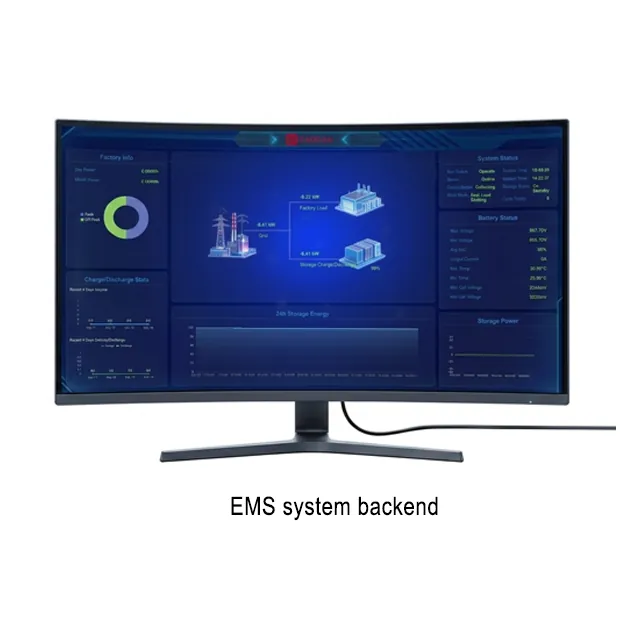
AI technologies are being employed to optimize energy storage operations, predict energy demand, and manage energy flows more efficiently.
Challenges Facing Energy Storage Systems
Despite their potential, energy storage systems face several challenges:
High Costs
The initial investment for energy storage technologies, particularly batteries, can be significant. However, costs are decreasing as technology advances and production scales up.
Limited Lifespan
Many energy storage systems, especially batteries, have a limited lifespan and require replacement after a certain number of cycles.
Regulatory and Market Barriers
The integration of energy storage into existing energy markets can be hindered by regulatory frameworks that do not adequately recognize the value of storage.
The Future of Energy Storage Systems
The future of energy storage systems looks promising, with ongoing research and development aimed at overcoming current challenges. As the world moves towards a more sustainable energy future, ESS will play a crucial role in enabling the transition to renewable energy sources.
Conclusion
Energy storage systems are essential for a reliable and resilient energy infrastructure. With advancements in technology and increasing investments, the potential for energy storage to transform the energy landscape is immense. As we continue to innovate and adapt, energy storage will be at the forefront of our efforts to create a sustainable energy future.
Frequently Asked Questions
1. What are the main types of energy storage systems?
– The main types include mechanical, chemical, thermal, and electrochemical energy storage systems.
2. How do energy storage systems help with renewable energy integration?
– They store excess energy generated during peak production times and release it when demand is high, thus balancing supply and demand.
3. What are the benefits of using energy storage systems?
– Benefits include grid stability, peak shaving, renewable integration, and backup power during outages.
4. What challenges do energy storage systems face?
– Challenges include high costs, limited lifespan, and regulatory barriers.
5. What innovations are being developed in energy storage technology?
– Innovations include solid-state batteries, hybrid systems, and the use of AI for energy management.