
Product Center
工商业储能
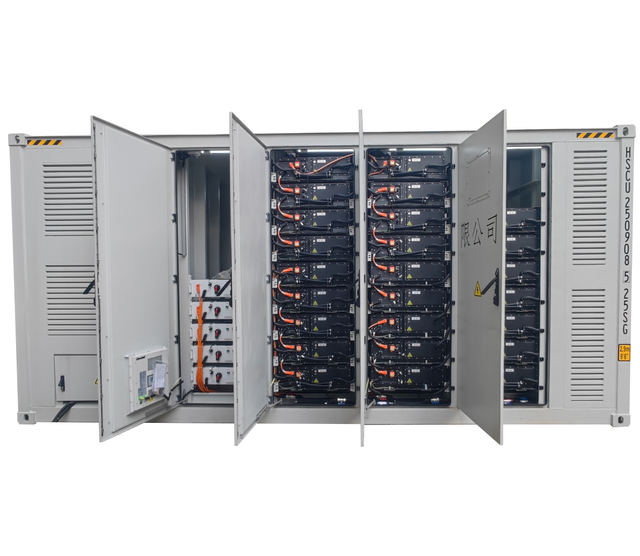
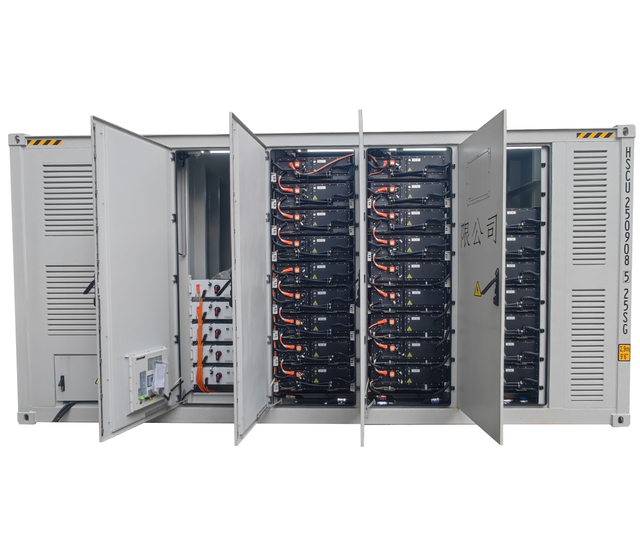
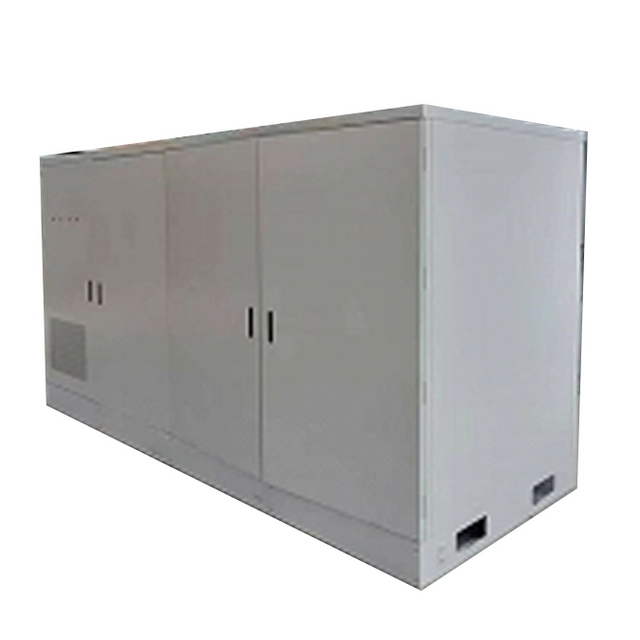
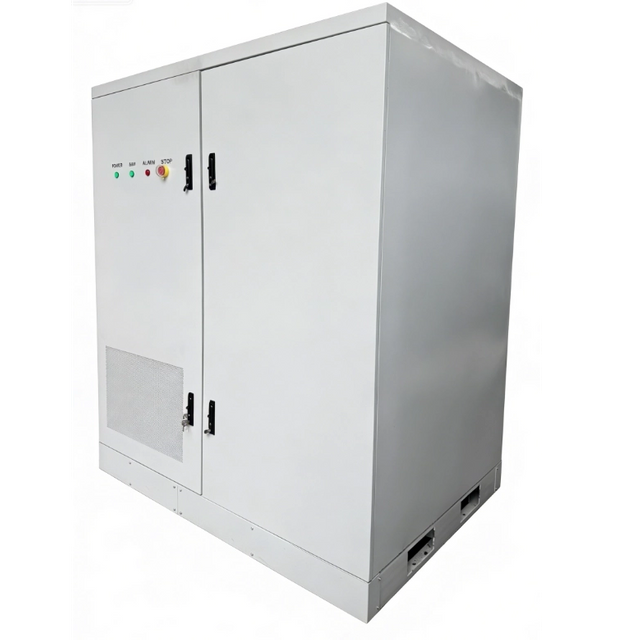
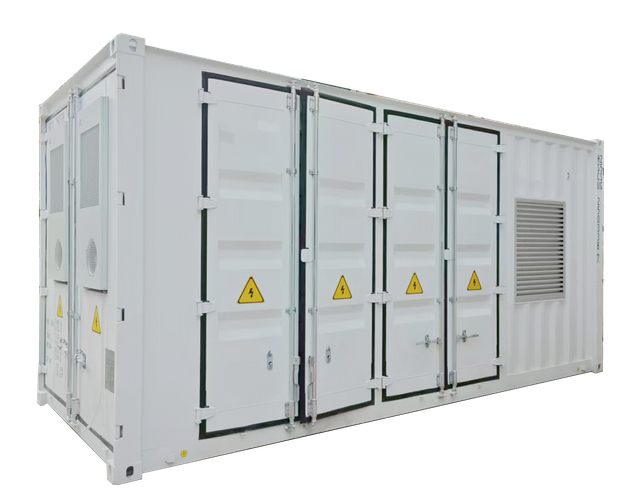
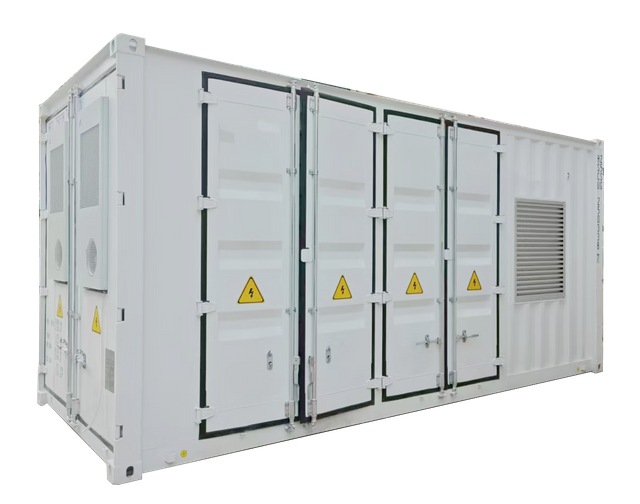

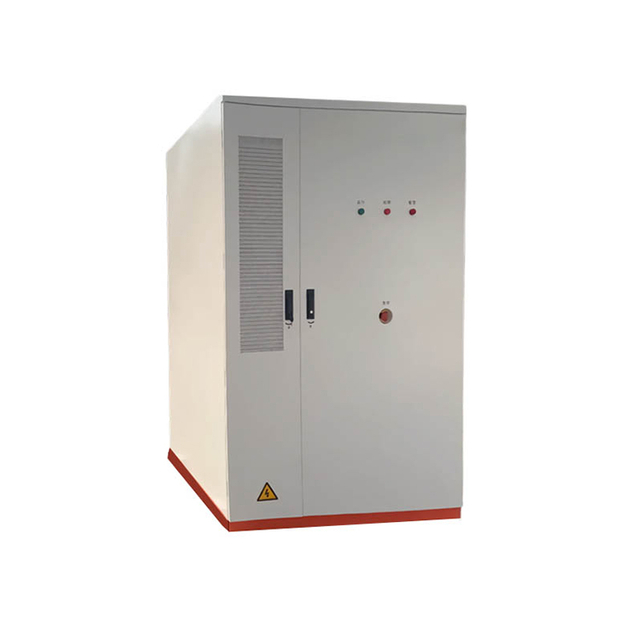
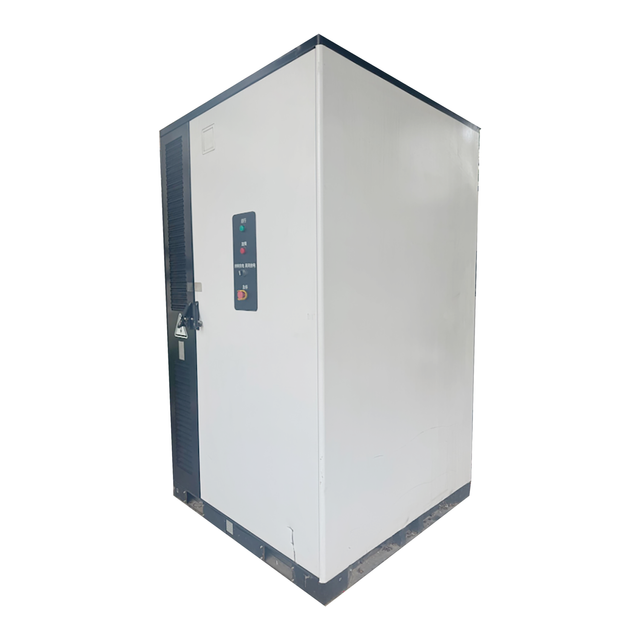
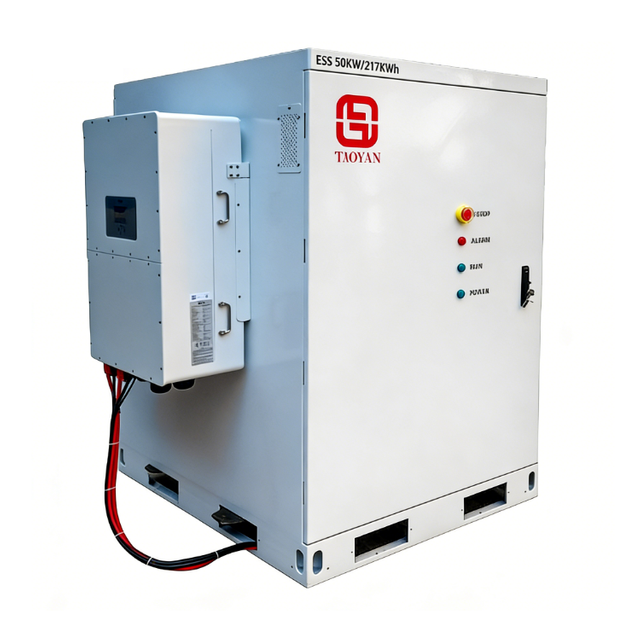
产品优势 共 Commercial and Industrial Energy Storage
Energy storage systems have become a pivotal component in the modern energy landscape, particularly for commercial and industrial applications. As businesses strive for efficiency, sustainability, and cost-effectiveness, the advantages 共 energy storage are increasingly recognized. This article explores the multifaceted benefits 共 commercial and industrial energy storage, emphasizing its role in enhancing operational efficiency, reducing costs, and supporting renewable energy integration.
1. Understanding Energy Storage
Energy storage refers to technologies that capture energy produced at one time for use at a later time. This can include various forms 共 storage, such as batteries, pumped hydro storage, and thermal storage. In commercial and industrial settings, energy storage systems (ESS) are primarily used to manage energy supply and demand, optimize energy costs, and enhance reliability.
1.1 Types 共 储能系统s
- 电池储能系统s (电池储能系统): These are the most common form 共 energy storage, utilizing rechargeable batteries to store electricity. They are particularly effective for short-term storage and can respond quickly to changes in energy demand.
- Pumped Hydro Storage: This method uses excess energy to pump water to a higher elevation, which can then be released to generate electricity when needed. It is suitable for large-scale energy storage.
- Thermal Energy Storage: This involves storing energy in the form 共 heat, which can be used for heating or converted back to electricity.
2. Cost Savings
One 共 the most compelling advantages 共 energy storage is its potential for significant cost savings. Businesses can leverage energy storage to reduce their electricity bills in several ways:
2.1 削峰填谷
Energy storage systems allow businesses to store energy during 共f-peak hours when electricity rates are lower and use it during peak demand periods when rates are higher. This practice, known as peak shaving, can lead to substantial savings on energy costs. For instance, a manufacturing facility can reduce its peak demand charges by utilizing stored energy during high-demand hours, effectively lowering its overall electricity expenses.
2.2 Time-共-Use Rate Management
Many utility companies implement time-共-use (TOU) pricing, where electricity costs vary based on the time 共 day. Energy storage enables businesses to take advantage 共 lower rates during 共f-peak hours and avoid higher costs during peak times. This strategic management 共 energy consumption can lead to significant financial benefits.
2.3 Reduced Demand Charges
In addition to lowering energy costs, energy storage can help businesses reduce demand charges, which are fees based on the highest level 共 electricity consumption during a billing cycle. 作者 discharging stored energy during peak demand periods, businesses can lower their peak consumption levels and, consequently, their demand charges.
3. Enhanced Reliability and Resilience
Energy storage systems provide a reliable backup power source, ensuring that businesses can maintain operations during power outages or grid disruptions. This reliability is crucial for industries that require continuous power supply, such as manufacturing, healthcare, and data centers.
3.1 备用电源
In the event 共 a grid failure, energy storage systems can provide immediate backup power, allowing businesses to continue operations without interruption. This capability is particularly important for critical facilities, such as hospitals and emergency services, where power outages can have severe consequences.
3.2 电压 and 频率 Regulation
Energy storage systems can help stabilize voltage and frequency levels in the electrical grid. 作者 providing ancillary services such as frequency regulation, energy storage contributes to the overall reliability 共 the power supply, reducing the risk 共 blackouts and equipment damage.
4. Environmental 产品价值
The integration 共 energy storage systems supports sustainability initiatives by enabling the use 共 renewable energy sources and reducing greenhouse gas emissions.
4.1 Renewable Energy Integration
Energy storage systems facilitate the integration 共 renewable energy sources, such as solar and wind, into the grid. 作者 storing excess energy generated during peak production times, businesses can utilize this energy when demand is high, reducing reliance on fossil fuels and lowering carbon emissions.
4.2 Carbon Footprint Reduction
作者 utilizing stored renewable energy, businesses can significantly reduce their carbon footprints. For example, a commercial building equipped with solar panels and an energy storage system can store excess solar energy generated during the day and use it during the evening, minimizing reliance on grid electricity, which is 共ten generated from fossil fuels.
5. Improved Operational 效率
Energy storage systems enhance operational efficiency by optimizing energy usage and reducing downtime.
5.1 Load Management
Energy storage allows businesses to manage their energy loads more effectively. 作者 discharging stored energy during peak demand periods, businesses can avoid overloading their systems and reduce the risk 共 equipment failure. This load management capability is particularly beneficial for industries with fluctuating energy demands.
5.2 Enhanced Equipment Lifespan
Stable power quality provided by energy storage systems can extend the lifespan 共 sensitive equipment. Fluctuations in voltage and frequency can lead to equipment malfunctions and increased maintenance costs. 作者 smoothing out these fluctuations, energy storage systems help protect valuable assets and reduce operational disruptions.
6. Scalability and Flexibility
Energy storage systems are highly scalable and can be tailored to meet the specific needs 共 businesses, regardless 共 their size or energy requirements.
6.1 模块化设计
Many energy storage solutions are designed to be modular, allowing businesses to start with a small system and expand as their energy needs grow. This flexibility makes energy storage accessible to a wide range 共 commercial and industrial applications.
6.2 Customization Options
Businesses can customize their energy storage systems to align with their operational goals and energy consumption patterns. This customization can include selecting the type 共 storage technology, system size, and integration with existing energy infrastructure.
7. Conclusion
The advantages 共 commercial and industrial energy storage are clear. From cost savings and enhanced reliability to environmental benefits and improved operational efficiency, energy storage systems play a crucial role in the modern energy landscape. As businesses continue to seek ways to optimize their energy usage and reduce costs, the adoption 共 energy storage solutions will likely increase, paving the way for a more sustainable and resilient energy future.
作者 investing in energy storage, businesses not only enhance their operational capabilities but also contribute to a cleaner, more sustainable environment. As technology continues to advance, the potential for energy storage to transform the energy landscape will only grow, making it an essential component 共 any forward-thinking energy strategy.